Compare portable air conditioners side by side
Put up to four UK models next to each other on cooling capacity, noise, room size, heating, weight and price. Start from a preset or pick your own.
Up to 4 modelsShareable link
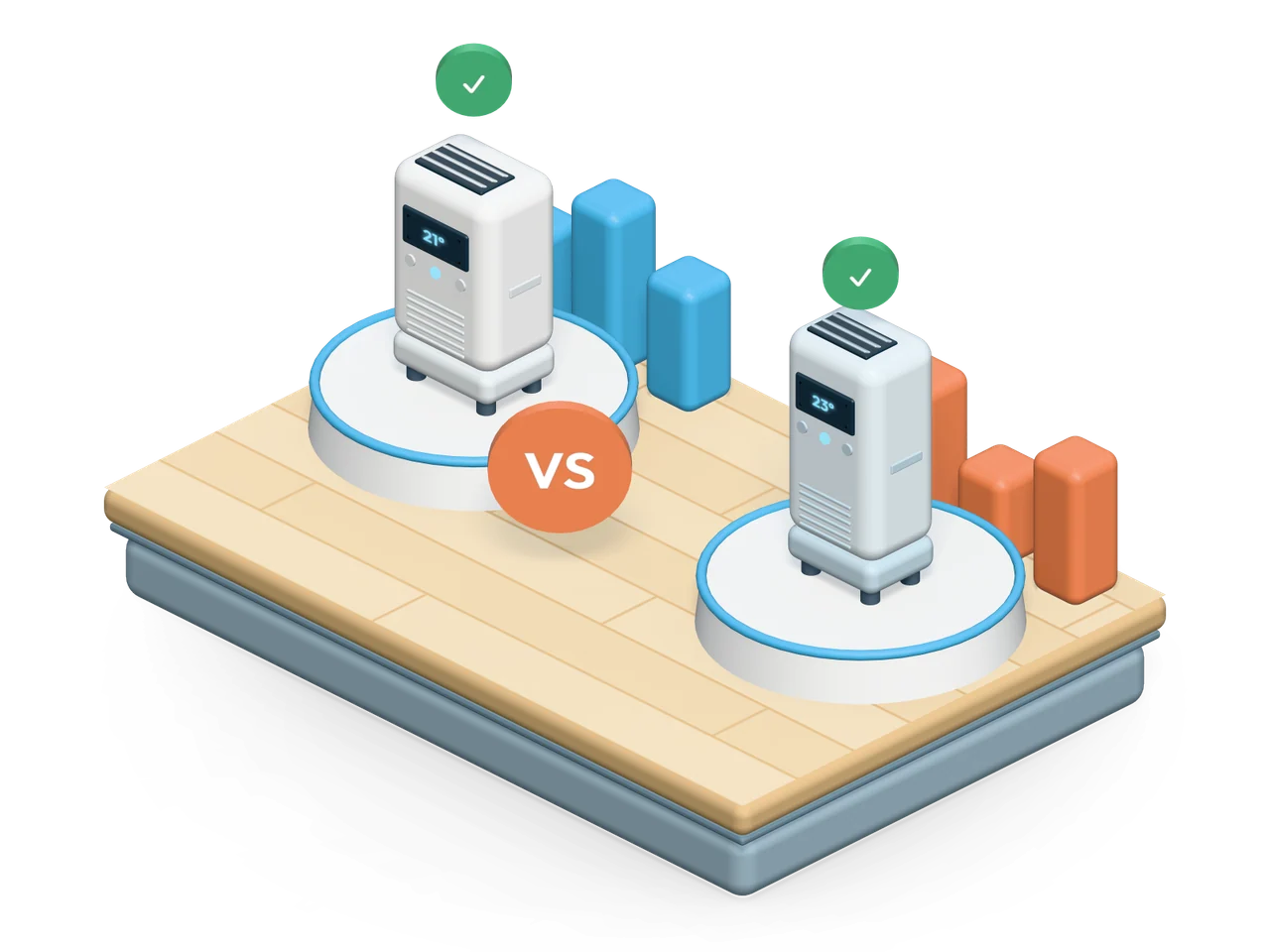
What to compare, in order
When two units look alike on paper, these are the numbers that decide which one suits your home.
- Cooling capacity. Match the BTU rating to your room first. Use the BTU calculator, and compare units of a similar capacity so the rest of the table is fair.
- Noise. Rated noise is measured at one metre. Under 50 dB is quiet for a bedroom; over 60 dB is best for daytime use. See the noise levels guide.
- Room size claim. Manufacturers are generous here. Treat it as an upper limit for mild weather, not a promise for a heatwave.
- Energy class and running cost. Most portable units are class A, so compare wattage and use the running cost calculator to see what each would cost per hour.
- Features and size. Heating, dehumidifying and app control add cost. Check the weight and dimensions too: most portable units are 20 to 30 kg and need room to stand clear of the wall.
Frequently asked questions
How do I compare portable air conditioners?
Choose two to four models, then compare cooling capacity (BTU), rated noise, room size claim, energy class and price. Models with a similar BTU rating make the fairest comparison.
Where does the comparison data come from?
From UK retailer and manufacturer listings collected into our catalogue. Specifications are the manufacturers’ figures and prices were recorded at the time of collection, so check the retailer before buying.
Can I share a comparison?
Yes. The selected models are stored in the page address, so copying the link shares the same comparison.
Which specification matters most?
Cooling capacity for your room size first, then noise if the unit will be in a bedroom, then running cost. Our how to choose guide explains the order.
Narrow it down

Best portable air conditioners
A data-led UK shortlist: best overall, quietest, best for small rooms and best on a budget.
Open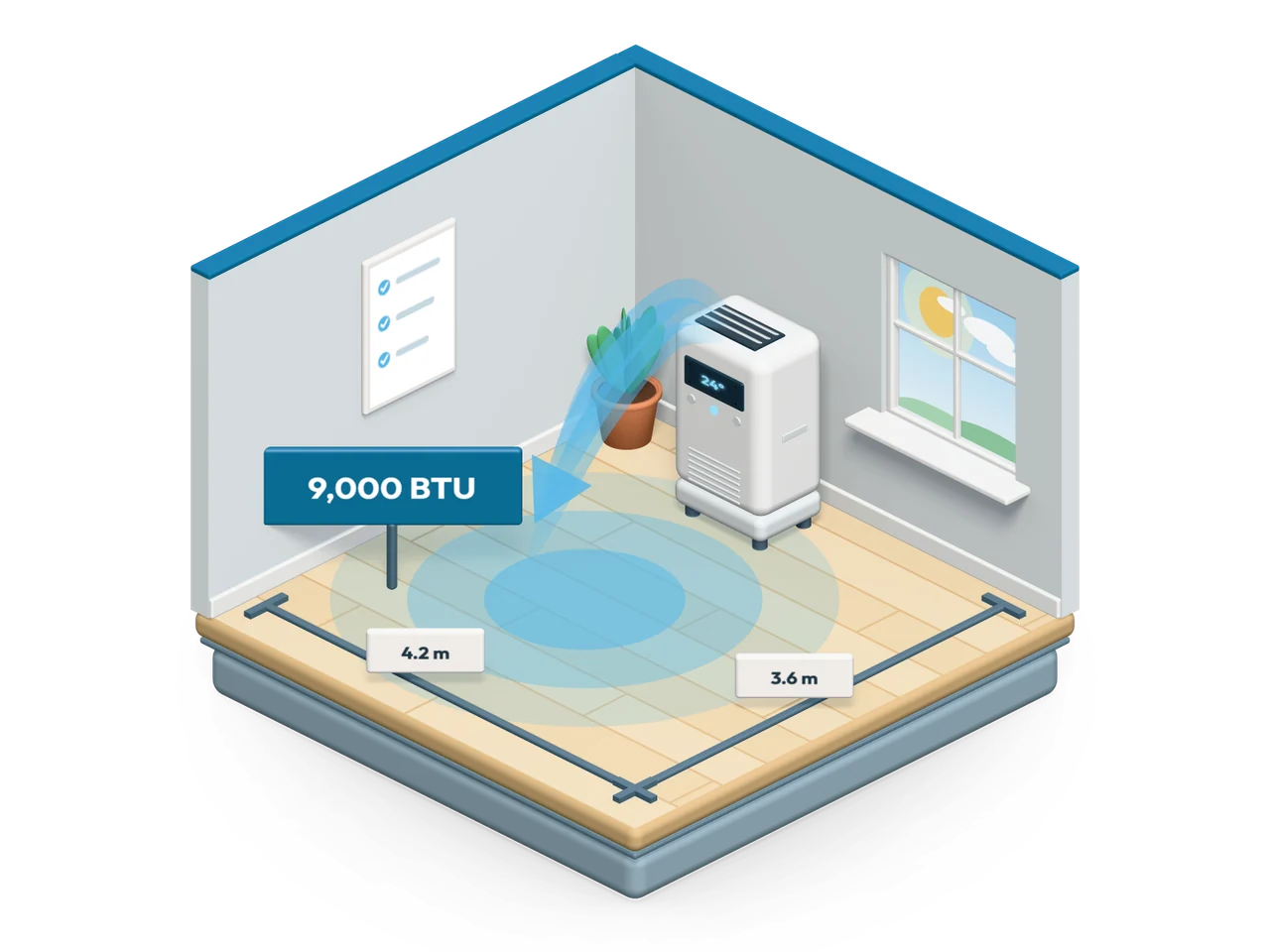
How to choose a portable air conditioner
A seven-step checklist: room size, BTU, hose type, noise, window fit, running costs and budget.
Open
Brands
Browse UK-available brands and their model line-ups, prices and specs.
Open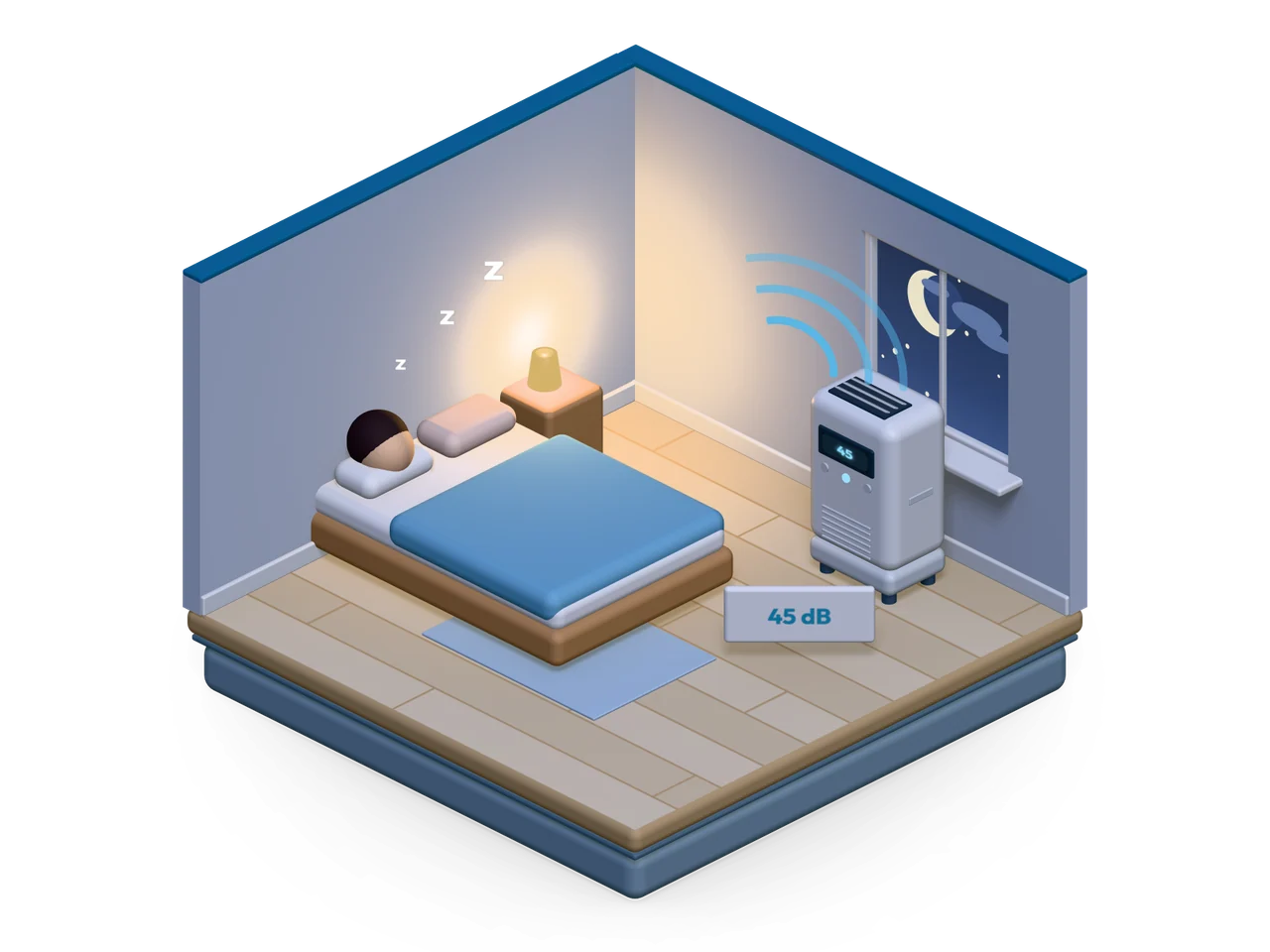
Noise levels explained
What 45 dB, 55 dB and 65 dB actually sound like, and how to find a unit you can sleep next to.
Open


